All Categories
Featured
Table of Contents
Sign up to get the most recent updates on all our events.
Enhancing ease of working through reimbursement incentives for federal government fees, land rebates, R&D and tax. Lowering customizeds costs and streamlining procedures, in addition to introducing regulatory reforms for industrial and real estate laws, and elevating standards by introducing a digital geographic information system (GIS) mapping for industrial land search, and a unified evaluation programme for quality control.
In the early 1960s, Singapore set out to change Jurong, then a remote, crocodile-infested swamp, into a commercial estate. By the end of that years, factories stood where mangroves as soon as grew, and Jurong had ended up being the industrial heartbeat of Singapore's economy.
Comparing Corporate Strategy Models within the GCC
Half a century later on, an equally enthusiastic experiment has been unfolding in the Arabian Gulf. Over the previous two decades, Dubai has actually pursued a strong strategy to diversify its economy beyond traditional sectors and develop an industrial base from the ground up. Central to this effort is Dubai Industrial City (DIC), introduced in November 2004 as part of a more comprehensive strategy to develop a first-rate production center in the emirate.
The goal was clear: reinforce the commercial sector's contribution to Dubai's GDP, establish devoted zones for manufacturing, and better link financiers to regional markets. In brief, Dubai Industrial City was developed as a useful step towards a more diverse and sustainable economy. In the 1990s, Dubai's management recognized that the economy of the future could not depend on innovative services alone, it likewise required a productive engine to turn soft knowledge into tough worth.
This resulted in the statement in November 2004 of Dubai Industrial City as a job "to produce a more well balanced economic advancement design and increase the contribution of innovative productive sectors to GDP." Right after the launch of Dubai Industrial City, Sheikh Mohammed bin Rashid Al Maktoum emphasized the wider function behind such commercial initiatives.
From that minute, Dubai Industrial City became a lab for new industrial policies. The city's preliminary blueprint centered on six specialized zones committed to essential sectors, ranging from food and beverage and equipment to metal products, standard metals, transport devices, and chemicals, coupled with generous rewards. Infrastructure was constructed to high requirements, and customizeds and tax exemptions were put in location to draw in early financial investment inflows.
Twenty years on, the city is home to more than 350 operating factories across sectors like food, metals, equipment, plastics, and clean energy, serving a network of over 800 regional and international business. Industrial land tenancy has reached 97% according to the latest data. In practice, Dubai Industrial City is no longer simply a logistics zone, it has ended up being a platform for sophisticated manufacturing and innovation that positions human capital at the heart of the development equation.
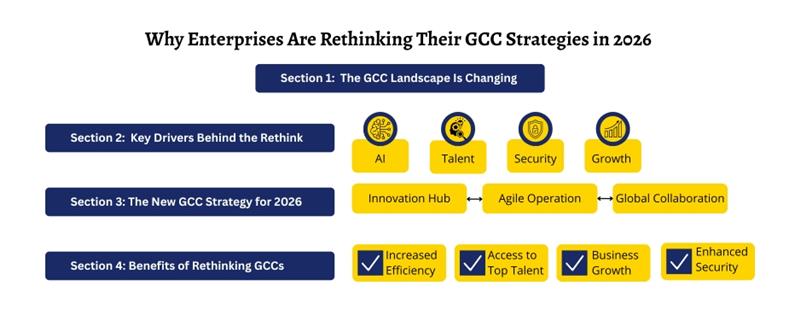
Key GCC Market Research Insights in 2026
Dubai's top management recognized the significance of this commercial drive early on. This statement underscored how deeply the industrial project had woven itself into Dubai's wider development story.
The area's biggest seaport, Jebel Ali Port, was in place, alongside a rapidly expanding international airport. This powerful mix of sea, air and road links indicated investors could import raw materials and export completed products with extraordinary ease, avoiding the pricey delays that once pestered regional trade. Similarly important was the pro-business regulatory environment.
Selecting the Many Successful Entry Point in Saudi ArabiaInputs brought into complimentary zones were duty-free, and products re-exported to markets outside the Gulf Cooperation Council (GCC) likewise escaped tariffs, a setup that considerably increased the appeal of export-oriented production. Research studies by government companies at the time indicated that raising administrative hurdles and using a versatile mix of industrial land alternatives plus financial rewards would unlock massive capital streams into the production sector.
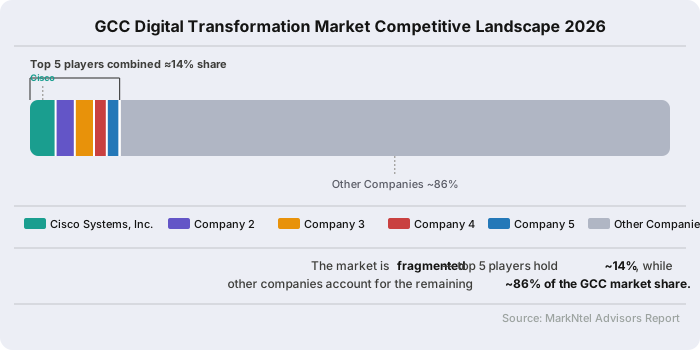
It remained in this beneficial context that Sheikh Mohammed bin Rashid, issued the historical decree establishing Dubai Industrial City in late 2004. The project formed part of Dubai's ambitious strategy to diversify its financial base, and from the outset it was created to bring in industrial investors from around the world.

Latest Posts
How Future-Focused Strategy Reshapes the GCC Economy
Unlocking Operational Excellence in Dubai's Industrial Sector
Sustainable Regional Industrial Growth Models in 2026